

Keeping Your Outdoor Dog Happy and Healthy
Keeping Your Outdoor Dog Happy and Healthy: A Guide for Responsible Pet Owners
Adopting a dog is a joyful and rewarding experience, but it comes with responsibilities, especially if you plan for your furry friend to live outdoors. While some breeds thrive in outdoor environments, their well-being depends on your commitment to meeting their physical, emotional, and social needs. Here’s how to ensure your outdoor dog stays happy, healthy, and loved.
1. Provide Adequate Shelter
An outdoor dog needs a safe, comfortable place to rest, no matter the weather.
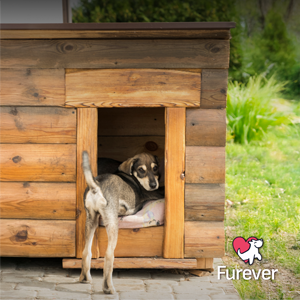
- Choose a sturdy doghouse made of weather-resistant materials. Ensure it’s elevated off the ground to stay dry.
- Insulate the shelter to maintain warmth in the winter and coolness in the summer. Consider using straw or pet-safe heating pads for extra comfort.
- Place the shelter in a shaded area to protect your dog from direct sunlight during hot months.
2. Ensure Access to Fresh Water and Food
- Provide fresh, clean water at all times, and use insulated bowls in winter to prevent freezing.
- Choose a high-quality, balanced diet suited to your dog’s breed, size, and activity level. Dogs living outdoors may need extra calories to stay warm in colder weather.
- Clean food and water dishes regularly to prevent pests and bacteria buildup.
3. Create a Secure Outdoor Space
- Fencing: Ensure your yard is fully fenced and secure to protect your dog from potential dangers such as traffic or wildlife.
- Escape Prevention: Regularly inspect for gaps or weak spots in the fence.
- Supervised Freedom: If possible, provide a larger area where your dog can roam freely under supervision.
4. Provide Proper Exercise and Mental Stimulation
Even outdoor dogs need daily exercise and mental enrichment.
- Spend time playing fetch, tug-of-war, or going for walks to keep them physically active.
- Introduce interactive toys like puzzle feeders, treat-dispensing balls, or chew toys to keep them entertained when you’re not around.
- Rotate toys regularly to keep their interest alive.
5. Protect Against Weather Extremes
Outdoor dogs are exposed to varying weather conditions, so take steps to ensure their safety:
- Cold Weather: Invest in waterproof and wind-resistant dog coats for breeds not built for extreme cold. Avoid leaving your dog outside during severe cold snaps or blizzards.
- Hot Weather: Provide plenty of shade and cool water. Avoid exercise during peak heat hours.
- Rain and Snow: Regularly dry your dog after wet weather to prevent skin irritation and keep their shelter warm and dry.
6. Maintain Routine Grooming and Health Care
Proper grooming and regular veterinary care are essential for outdoor dogs.
- Grooming: Brush your dog regularly to prevent matting and shedding. Check for ticks, fleas, and other pests, especially after outdoor activities.
- Paw Care: Examine their paws for cuts, cracks, or debris, particularly during icy or rocky conditions.
- Vaccinations and Parasite Control: Keep your dog up-to-date on vaccinations, flea treatments, and deworming.
7. Provide Social Interaction and Love
Dogs are social animals, and even outdoor dogs need attention and affection to thrive.
- Spend time bonding with your dog daily through play, training, or simply sitting together.
- Avoid leaving them alone for extended periods; loneliness can lead to anxiety, depression, or destructive behaviors.
- Consider having another dog for companionship if you are away for long hours, provided they are introduced and housed responsibly.
8. Train for Safety and Good Behavior
- Teach basic commands like “come,” “sit,” and “stay” to ensure their safety and enhance your bond.
- Train your dog to avoid unwanted behaviors like barking excessively or digging inappropriately.
9. Consider the Breed and Their Needs
Not all breeds are suited for outdoor living.
- Cold-Weather Breeds: Huskies, Malamutes, and other breeds with thick double coats are better adapted to cold climates.
- Hot-Weather Breeds: Breeds with lighter coats, like Labradors, may tolerate warm climates but need more protection from the sun.
- Indoor Necessity: Small, short-haired breeds or brachycephalic (flat-faced) breeds like Pugs and Bulldogs should not live outdoors due to their vulnerability to temperature extremes.
10. Be Prepared for Emergencies
- Keep a first aid kit handy for minor injuries.
- Have a plan for extreme weather conditions, such as bringing your dog indoors during hurricanes, extreme cold, or heatwaves.
- Microchip your dog and ensure they always wear an ID tag with updated contact information.
The Bottom Line
Living outdoors doesn’t mean living apart. Your dog still needs your time, love, and care to be happy and healthy. By creating a safe, enriching, and nurturing environment, you can ensure your outdoor pet thrives and enjoys a fulfilling life.
Adopting a dog is a commitment, and their well-being starts with you. Give them the love and attention they deserve, and they’ll reward you with endless loyalty and joy. 🐾
Furever Team